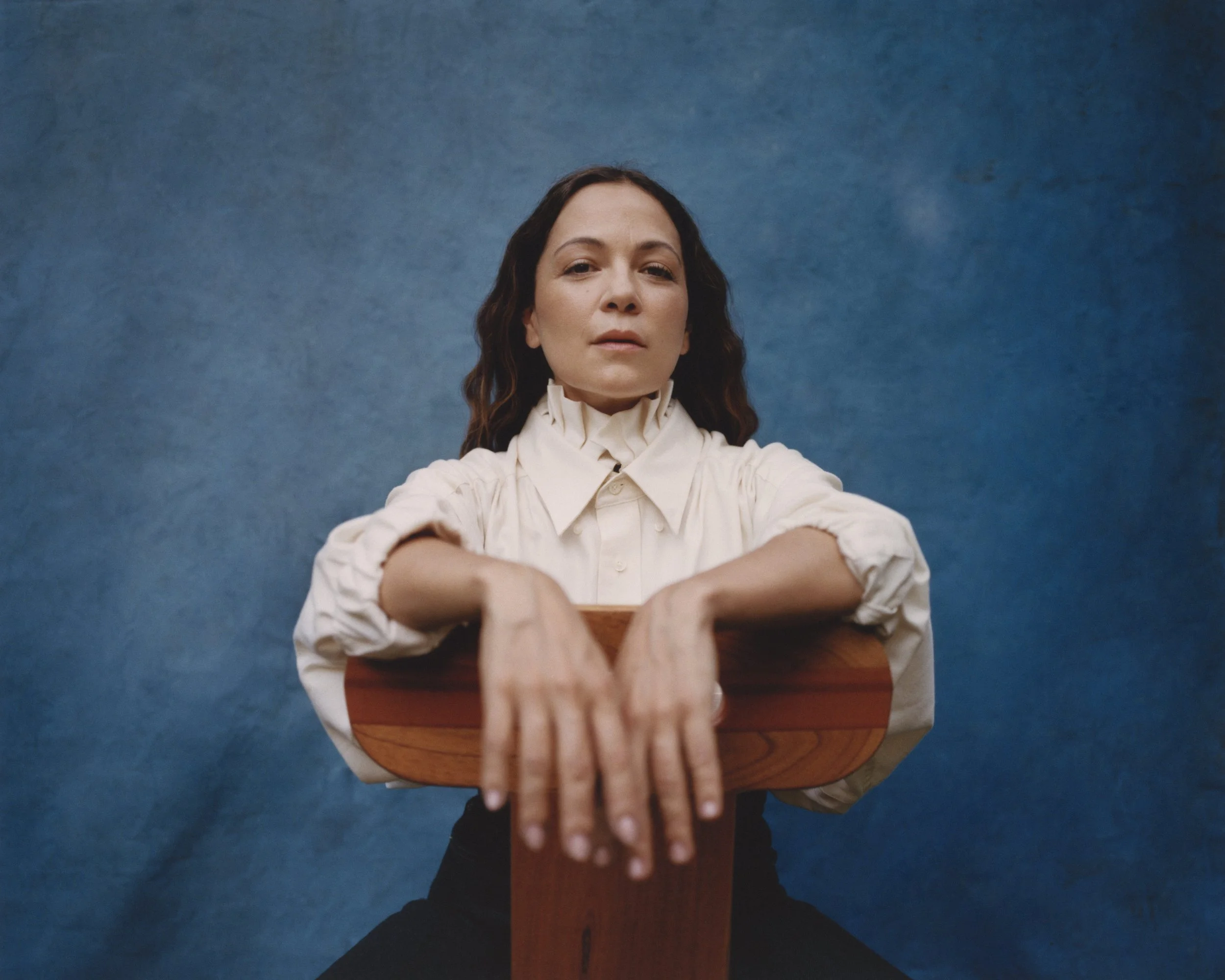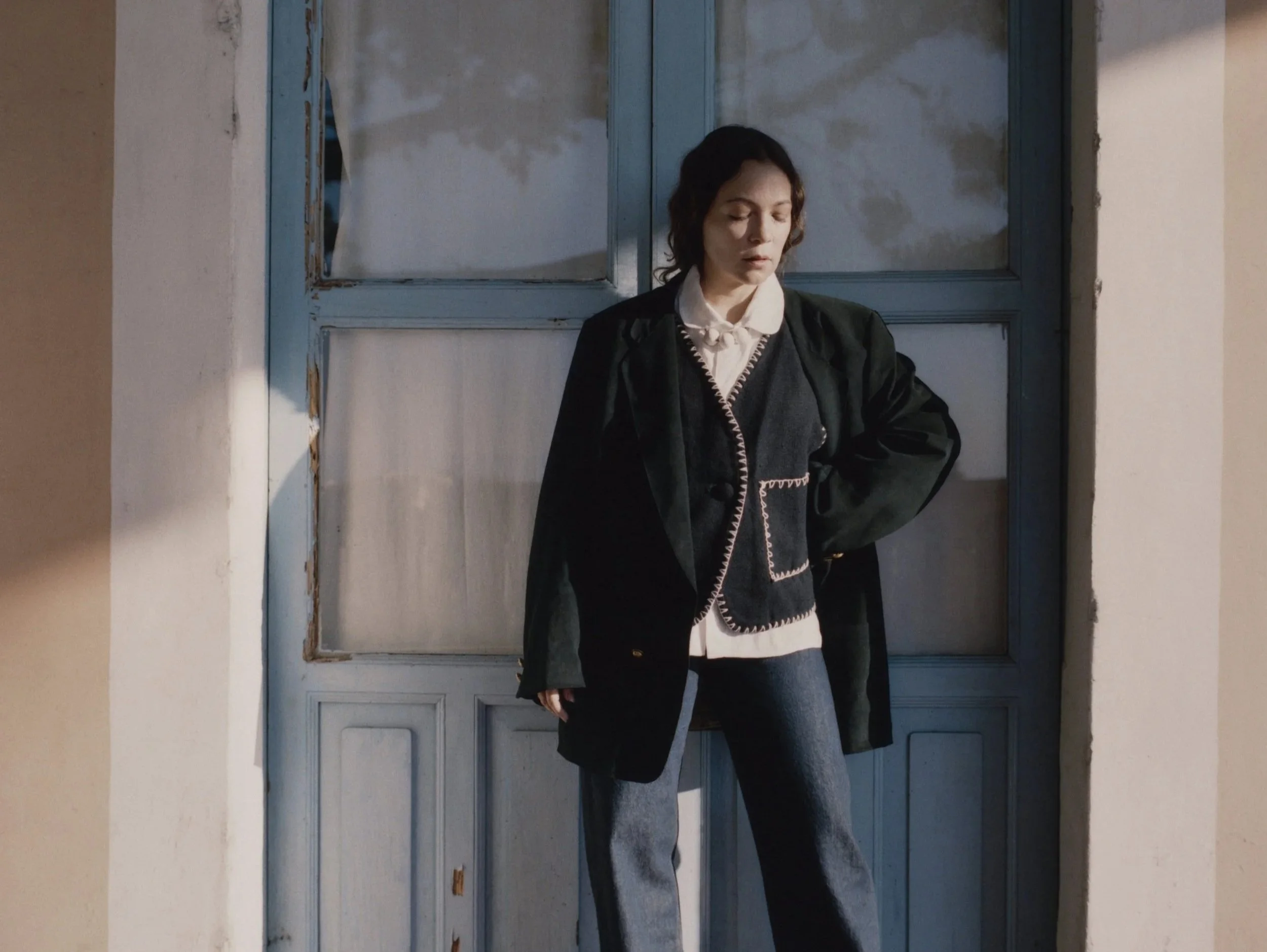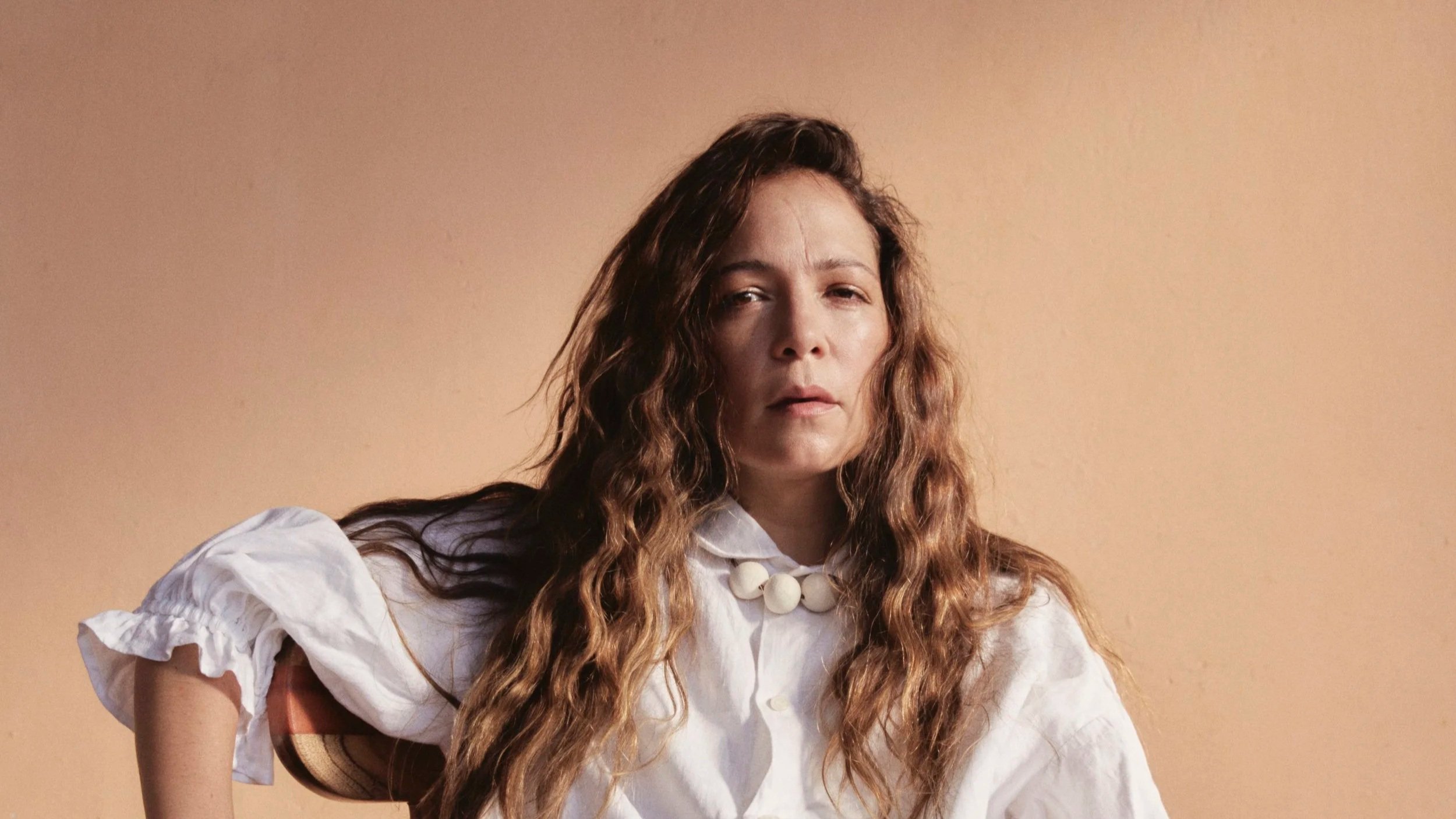
Natalia Lafourcade is a Mexican composer, artist, singer, and music producer who has become one of the fundamental voices of Latin popular culture in this century.
Natalia Lafourcade was born in Mexico City and raised in Coatepec, in the state of Veracruz. She is the daughter of a Chilean father, a pianist, harpsichord builder, and educator of Baroque music; and a Mexican mother, a pedagogue and creator of the Macarsi method for musical training. When Natalia was 6 years old, she was kicked in the head by a horse, which caused a nearly indelible injury. Her mother developed and applied a method based on music that helped her daughter’s recovery. This experience awakened in Natalia a profound fascination for music from a very early age.
Her first self-titled album was released in the summer of 2002, when she was 18 years old. In this and her second album, Casa, Natalia moved with ease through bossa nova, the sweetness of classic bolero, and the effervescence of alternative rock. The freshness and raw sensitivity of her lyrics reflected a worldview full of hope. In 2007, she composed a symphonic suite inspired by love and the four seasons of nature, and recorded it in Veracruz with a youth orchestra. Even then, Natalia enjoyed making dreams that seemed impossible come true.
In 2012, she presented Mujer divina, a moving tribute to the work of Agustín Lara, which awakened in her the desire to pay homage to the Latin American songbook, drawing inspiration from the gems of composers like Violeta Parra, María Grever, and Simón Díaz. Some time later, her collaboration with the acoustic guitar duo Los Macorinos produced the two LPs of Musas: an homage to Latin American folklore, which combine her own songs with Latin folk classics like “Tú me acostumbraste,” “Soy lo prohibido,” and “Duerme negrito,” interpreting them with her personal seal.
In 2015, she released the album Hasta la raíz, one of her most recognized works, with which she continued to consolidate herself as one of the most important artists of her generation. The song of the same name quickly became an anthem throughout the world and across generations.
In 2020 and 2021, she renewed her contact with her roots through the two volumes of Un canto por México, in which she revisits themes like “Cien años” and “La llorona” in the company of kindred spirits: Mon Laferte, Pepe Aguilar, Rubén Blades, and Silvana Estrada, among others.
Collaboration with artists from other genres is an adventure that has allowed her to explore sounds far from her comfort zone, but also to reaffirm her own vision. “Nunca es suficiente,” the nostalgic heartbreak cumbia she recorded in 2018 with Los Ángeles Azules, became the most-watched Mexican video of all time, with more than two billion views. Furthermore, she has collaborated as an arranger, producer, composer, and performer with artists such as Juan Gabriel, Omara Portuondo, Jorge Drexler, Leonel García, Kevin Johansen, Gilberto Gil, Miguel, Jon Batiste, Gustavo Dudamel, and the LA Philharmonic, among others.
For Natalia, music is the center of existence, but not her only source of inspiration. Un canto por México arose from a concert she organized in late 2019 to rebuild the Centro de Documentación del Son Jarocho in Jáltipan de Morelos, Veracruz, affected by two earthquakes in 2017. And the Natalia Lafourcade Foundation was created to promote musical education through the tradition and folklore of Mexico.
De todas las flores, her previous studio album, was recorded live on analog tape during sessions at Sonic Ranch Studios in El Paso, Texas, and Acuyo Studio in Veracruz in October 2021. Its kaleidoscope of experimental jazz, avant-garde ballad, and retro tropical pop gives way to the encounter between tragedy and warmth. The album's premiere took place at Carnegie Hall with guests such as David Byrne. This work won a GRAMMY for Best Latin Rock or Alternative Album and the Latin GRAMMY for Record of the Year.
In December 2024, she released Live at Carnegie Hall, a record of that historic performance, produced by Cheche Alara and mixed by GRAMMY-winning engineer Michael Brauer.
To crown that cycle, Natalia was named the first Music Ambassador for Peace at the XIX World Summit of Nobel Peace Laureates in Monterrey, Mexico, recognizing her ability to unite people through art.
Throughout her career, Natalia Lafourcade has become the Latin female artist with the highest number of Latin GRAMMYs in the history of the Latin Recording Academy, accumulating 20 Latin GRAMMYs and 5 Grammy Awards, in addition to other international recognitions.
With a career spanning nearly 25 years, Natalia Lafourcade has consolidated herself as a creator of bridges between rhythms, genres, generations, and identities. Currently, she continues a new path with her most recent studio album, Cancionera, co-produced with Adan Jodorowsky. This work, recorded analogically in Mexico City, earned her recognition at the Latin Academy of Recording Arts and Sciences (GRAMMY) awards as Best Singer-Songwriter Album, as well as the award for Best Singer-Songwriter Song for the track “Cancionera,” reaffirming her place as one of the most influential voices in contemporary Latin American music.
“I am a firm believer in music as an entity. It is like an energy that is in the air and finds many ways to materialize. When this occurs, the feeling is very beautiful. My desire is to continue growing while sharing the gift that has been given to me in this life.”
Natalia Lafourcade.